Wine Labs · Market intelligence
7 Good Sweet Wine Picks for Every Palate
Find a good sweet wine by sweetness level, style, price band, serving temperature, and food pairing with seven accessible recommendations.
What makes a good sweet wine: the sugar alone, or the way sweetness works with acidity, alcohol, texture, and food? Sweet wine isn't one uniform style. A lightly sparkling red for brunch, a mineral Riesling for spicy food, an aged Tawny Port, and a concentrated PX Sherry can all taste sweet while offering completely different drinking experiences.
The right bottle depends on the drinker's tolerance for intensity, preferred alcohol level, serving occasion, bottle format, aging plans, and budget. This progression starts with accessible Brachetto and moves through Riesling, Tokaji, Icewine, Port, PX, and the collector-led depth of Sauternes. The aim isn't to repeat competitor pricing claims. It's to compare recognizable wines through producer descriptions, style, availability, serving context, and practical buying considerations.
Residual sugar provides useful context, but it isn't the whole answer. A widely used EU-style classification places still wines above 45 g/L in the sweet category, while lower-sugar wines can still taste generous when fruit, texture, and alcohol reinforce the impression of sweetness. This overview of wine sweetness levels explains that classification framework.
Table of Contents
- 1. Château d'Yquem Sauternes
- 2. Royal Tokaji Aszú 5 Puttonyos
- 3. Dr. Loosen Wehlener Sonnenuhr Riesling Auslese
- 4. Inniskillin Vidal Icewine
- 5. Taylor Fladgate 20 Year Old Tawny Port
- 6. Banfi Rosa Regale Brachetto d'Acqui DOCG
- 7. González Byass Néctar Pedro Ximénez
- Top 7 Sweet Wines Comparison
- Choose by Sweetness, Occasion, and Budget
<a id="1-chateau-dyquem-sauternes"></a>
1. Château d'Yquem Sauternes
Château d'Yquem is the benchmark for botrytized sweet white wine from Sauternes, and it belongs at the intense end of this list. Noble rot concentrates the grapes berry by berry, producing a wine with apricot, saffron, marmalade, and crème brûlée character. That richness doesn't make the wine heavy because remarkable acidity gives it lift and keeps the finish focused.
Its status rests on more than flavor. Château d'Yquem holds the Premier Cru Supérieur classification, a distinction that places it firmly in the luxury and collectible category. Vintage transparency, quality-driven low yields, and sustained collector demand make the bottle relevant to both drinking and cellar planning. Its long track record for longevity also separates it from sweet wines intended for immediate enjoyment.
<a id="who-should-buy-it"></a>
Who should buy it
This is a choice for someone who wants complexity first and accessibility second. The wine can be compelling in youth, but its greatest advantage is the ability to develop over decades. Depending on vintage and format, bottles can have a cellar life of 30 to 50 years or more, so storage conditions and purchase provenance matter.
Collector's rule: Treat the vintage, bottle format, fill level, and provenance as part of the wine's value, not as administrative details.
The trade-off is straightforward. Château d'Yquem is priced like a collectible, and retail availability can be scarce by vintage and format. In United States stores, shoppers may often encounter only 375 ml bottles. Review current market context before buying, especially when comparing offers across channels. Wine Labs' en primeur Bordeaux analysis offers useful context for readers assessing Bordeaux-related pricing and sourcing.
Visit the Château d'Yquem website for producer information.
<a id="2-royal-tokaji-aszu-5-puttonyos"></a>
2. Royal Tokaji Aszú 5 Puttonyos
Royal Tokaji Aszú 5 Puttonyos offers a more approachable entry into noble-rot wine without abandoning intensity. The wine combines rich apricot and orange-peel flavors with vibrant acidity and volcanic minerality. That contrast matters. Sweetness supplies weight, while acidity keeps the wine from tasting flat or syrupy.
Aszú wines are made with botrytized berries macerated into base wine, then aged in Hungarian oak. The result is a style with both concentration and regional identity. Royal Tokaji's widely distributed Red Label bottling also makes it easier to find than many highly allocated Sauternes, which changes the buying decision for someone who wants a classic dessert wine without pursuing a rare bottle.
<a id="pairing-and-buying-context"></a>
Pairing and buying context
This is one of the most versatile choices in the group. It works with blue cheese, foie gras, fruit tarts, and roast duck with citrus. The wine's acidity gives it enough structure for savory dishes, while apricot and orange notes connect naturally with fruit-based desserts.
The terminology can slow down new buyers. “Puttonyos” indicates a sweetness level associated with Tokaji Aszú, but bottle size also deserves attention. Royal Tokaji appears in 375 ml and 500 ml formats, and those formats don't offer the same serving volume. Vintage character can shift the balance too, with some years showing brighter energy and others presenting a richer texture.
A sweeter label doesn't automatically mean a better match. Match the wine's acidity and intensity to the dish, not just its sugar impression.
For shoppers who want pedigree, food flexibility, and easier access than top Sauternes, Royal Tokaji is a strong middle position. Explore the producer's current range at Royal Tokaji.
<a id="3-dr-loosen-wehlener-sonnenuhr-riesling-auslese"></a>
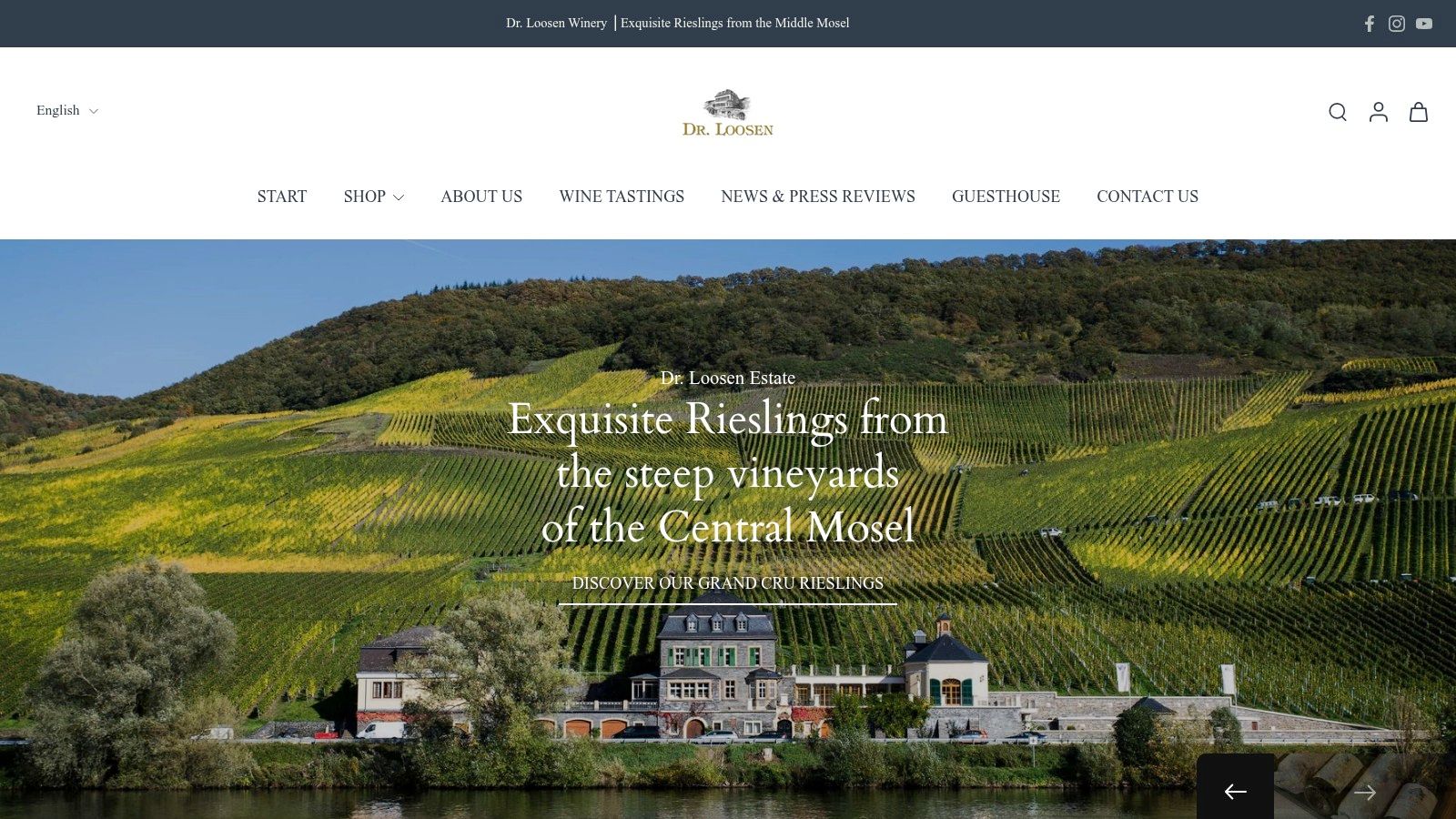
3. Dr. Loosen Wehlener Sonnenuhr Riesling Auslese
Dr. Loosen's Wehlener Sonnenuhr Riesling Auslese is the most convincing gateway here for drinkers who want sweetness with delicacy rather than density. The famed Mosel vineyard contributes pronounced slate minerality, while the late-harvest Auslese style brings peach, honey, citrus oil, and a lifted sweetness. The wine feels layered, but its structure stays light on its feet.
That makes it particularly useful at the table. Sweet Riesling can handle spicy cuisines because acidity refreshes the palate between bites. It also suits fruit desserts and soft cow's milk cheeses, where the wine's peach and citrus character can echo the food without overwhelming it.
<a id="a-flexible-choice-for-new-buyers"></a>
A flexible choice for new buyers
The principal obstacle is language. German Prädikat terms such as Kabinett, Spätlese, and Auslese can be confusing when shoppers are trying to predict sweetness and richness. Auslese generally signals greater ripeness and concentration than the lighter categories, but vintage conditions still shape the final style. Some bottles feel delicate and energetic, while others lean more generous.
Dr. Loosen offers both 375 ml and 750 ml formats, with steady distribution in the United States. That gives buyers a practical way to test the style with a smaller bottle or serve it to a larger group.
- Choose it for: Spicy food, fruit desserts, and gentle cheeses.
- Expect: Peach, honey, slate, and citrus oils.
- Watch: Vintage variation and the distinction between delicacy and richness.
The wine's value comes from how much complexity it can deliver without the heaviness associated with more concentrated dessert styles. Readers interested in wider wine-market context can also review Wine Labs' Riesling revival digest.
See the estate's wines and vineyard information at Dr. Loosen.
<a id="4-inniskillin-vidal-icewine"></a>
4. Inniskillin Vidal Icewine
Inniskillin Vidal Icewine takes sweetness in a different direction. The grapes freeze naturally on the vine before pressing, leaving intensely concentrated juice with bright acidity. The flavor profile is opulent but recognizable, with mango, peach, baked apple, caramel, and lemon curd.
The important distinction is freshness. A concentrated wine can still finish cleanly when acidity carries the sweetness. Inniskillin's Vidal expression is therefore more crowd-friendly than its richness might suggest, especially when served with fruit desserts, crème brûlée, or blue cheese.
<a id="best-for-fruit-driven-dessert-pairing"></a>
Best for fruit-driven dessert pairing
True Icewine is picked and pressed below −8°C, a condition central to its style and purity. Inniskillin also produces other expressions, including Riesling and Cabernet Franc versions, with occasional premium “Gold” releases. Broad availability through major chains and specialty shops makes this one of the easier intensely sweet wines to locate.
The trade-off is format and personality. Icewine commonly appears in 375 ml half-bottles, which can still feel expensive for an informal occasion. Its fruit concentration also makes it a poor choice for drinkers who prefer restrained, lightly sweet wines. Serve it well chilled and pour it alongside food rather than treating it as a neutral aperitif.
Serving insight: Icewine works best when the dish can meet its fruit intensity. Delicate desserts may disappear beside it, while fruit, cream, and blue cheese give it room to perform.
For someone asking for a good sweet wine with vivid fruit, obvious dessert appeal, and a fresh finish, Inniskillin Vidal Icewine is one of the clearest answers. Find the producer's current expressions at Inniskillin.
<a id="5-taylor-fladgate-20-year-old-tawny-port"></a>
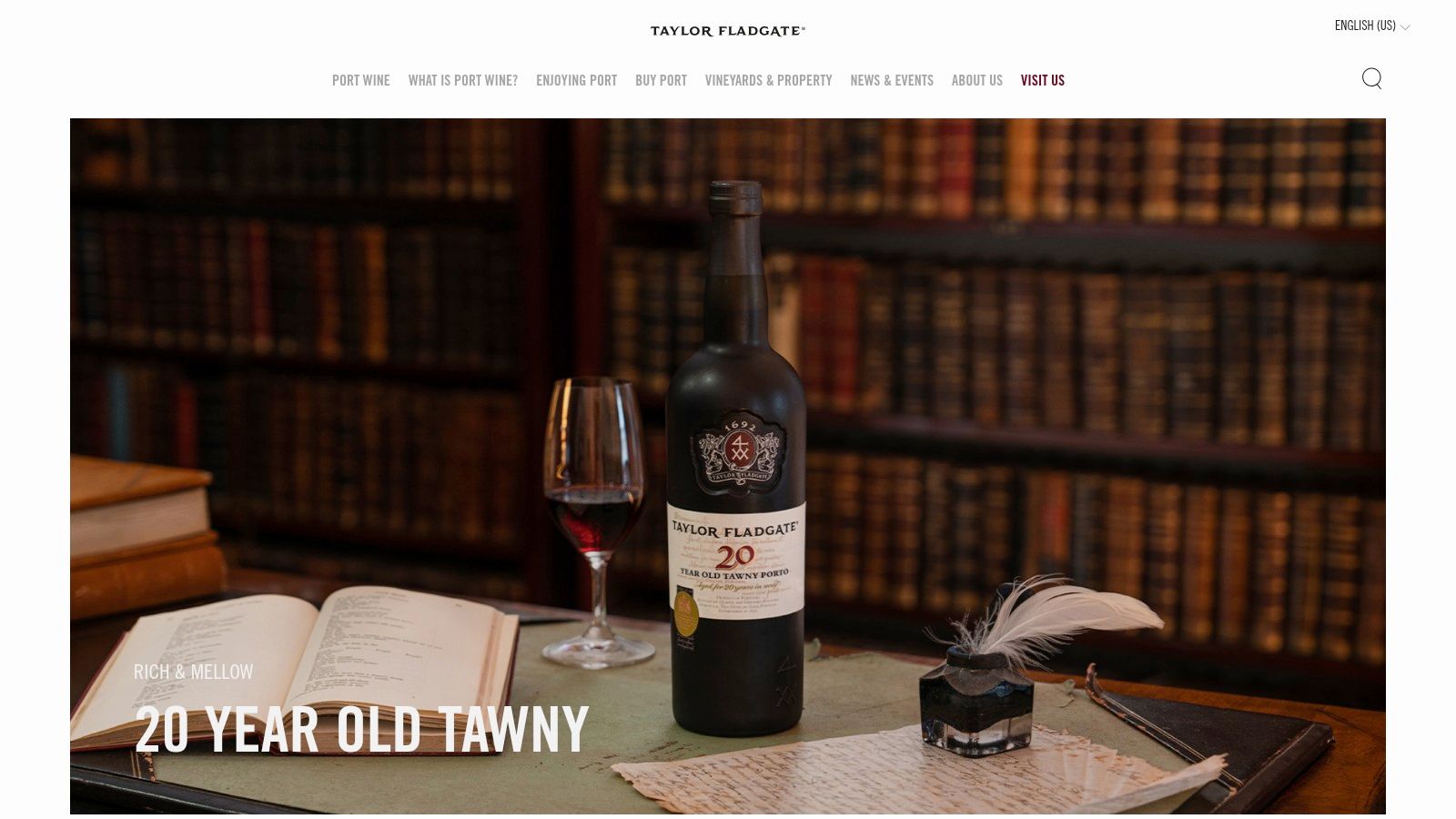
5. Taylor Fladgate 20 Year Old Tawny Port
Taylor Fladgate 20 Year Old Tawny Port is built around time in wood rather than primary fruit intensity. Extended cask maturation develops walnut, toffee, orange peel, and dried fig, creating a silky wine with oxidative complexity. It's sweet, but the sweetness is moderated by savory, nutty flavors and a warming fortified texture.
The “20 Year Old” designation refers to an average age drawn from extensive estate tawny stocks. This isn't a single-vintage wine, and that distinction makes it a dependable choice for immediate drinking. The bottle is ready to serve when opened, without the need for extended bottle aging.
<a id="a-practical-after-dinner-bottle"></a>
A practical after-dinner bottle
Aged Tawny Port suits people who want dessert richness but don't want a highly fruit-driven profile. It's especially effective with nuts, caramel desserts, dried fruit, and mature cheese. The orange-peel note can also make it more versatile than its sweetness suggests.
- Best quality: Consistency and immediate drinkability.
- Best texture: Silky, layered, and gently warming.
- Main limitation: Fortified spirit and oxidative flavors won't suit every palate.
After opening, the bottle reseals and holds well for several weeks, which improves its practical value when only small pours are wanted. It's less suited to someone seeking the bright berry character of Ruby or Late Bottled Vintage Port. Instead, expect maturity, wood-derived nuance, and a quieter style.
For additional context on Port's market and production environment, see Wine Labs' Port market digest. Product details are available from Taylor Fladgate.
<a id="6-banfi-rosa-regale-brachetto-dacqui-docg"></a>
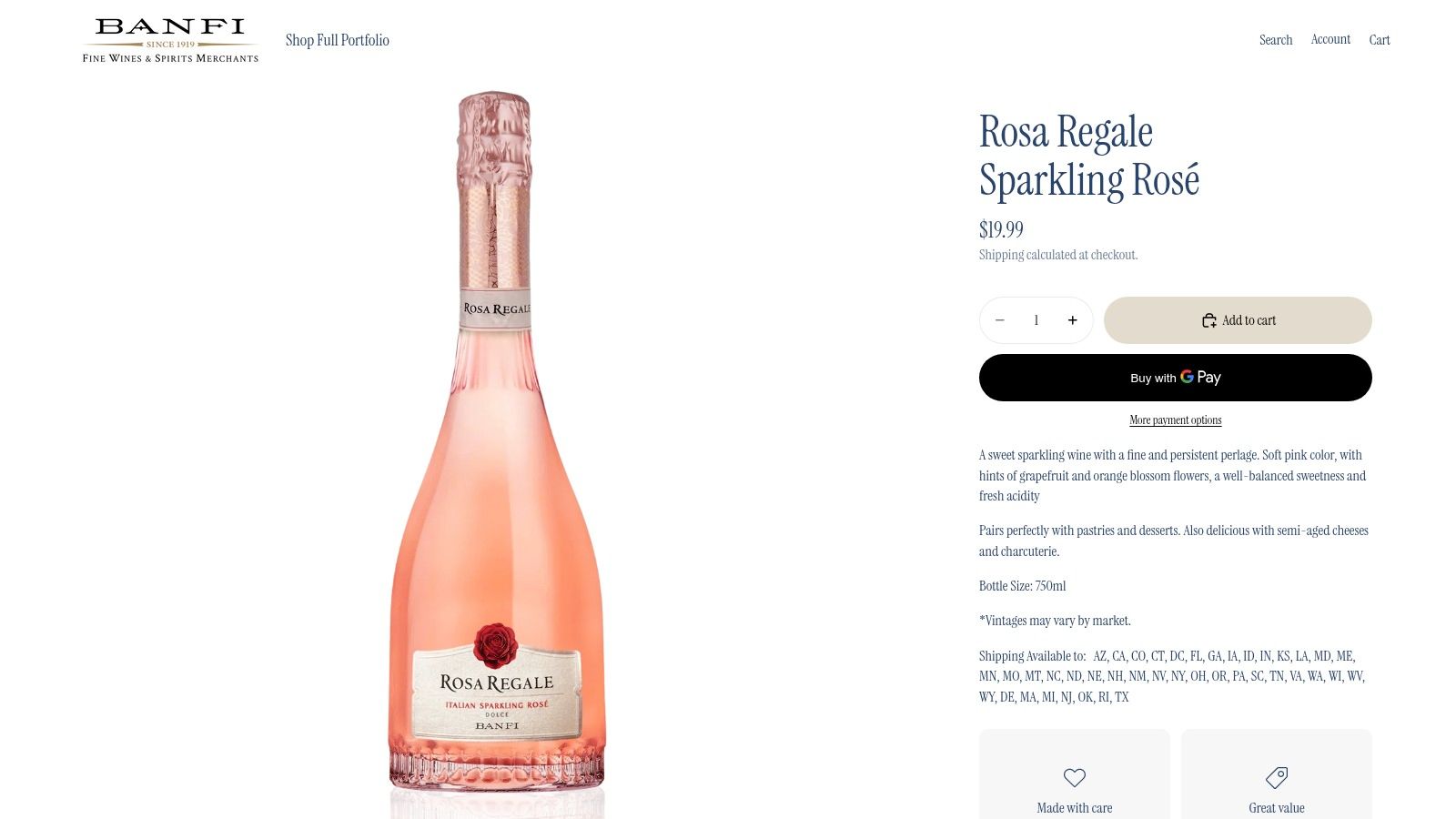
6. Banfi Rosa Regale Brachetto d'Acqui DOCG
Banfi Rosa Regale is the most approachable wine in this progression. It's a sweet, low-alcohol sparkling red made from Brachetto, with perfumed strawberry, rose petal, and candied red-fruit flavors. Gentle fizz adds energy, while chilling keeps the wine bright and easy to drink.
The style works because it doesn't ask the drinker to study it. Serve it with chocolate-covered strawberries, berry tarts, or brunch dishes. It also makes sense at celebrations where guests may prefer something softer, fruitier, and less demanding than a concentrated dessert wine.
<a id="accessible-sweetness-in-a-festive-format"></a>
Accessible sweetness in a festive format
Rosa Regale is typically around 7% ABV and is best served well chilled. Its broad United States retail penetration and approachable positioning make it useful for events and gifting, particularly when the audience includes casual wine drinkers.
That accessibility comes with limits. Brachetto is designed for youthful fragrance and immediate pleasure, not extended cellaring. Its sweet, lightly sparkling character can seem simple beside botrytized wines, aged Tawny Port, or PX Sherry. That isn't a defect. It's a reminder that “good” depends on the occasion.
A bottle for brunch doesn't need the concentration of a collector wine. In fact, that would often make it less suitable. Rosa Regale's advantage is its low-alcohol, chilled, sessionable format and its ability to pair with red fruit and chocolate without demanding a formal dessert course.
Explore the current product information at Banfi USA.
<a id="7-gonzalez-byass-nectar-pedro-ximenez"></a>
7. González Byass Néctar Pedro Ximénez
González Byass Néctar Pedro Ximénez is the extreme endpoint of sweetness and concentration. Sun-dried Pedro Ximénez grapes produce an unctuous wine filled with fig, date, molasses, espresso, and cocoa. It drinks almost like a dessert, so a small pour is usually more satisfying than a full wineglass serving.
The oxidative, raisined profile is the central attraction and the central limitation. Drinkers who want bright peach, citrus, or fresh berries may find PX too dense. Those who enjoy dark fruit, coffee, caramel, and lingering sweetness will find few styles as direct or intense.
<a id="designed-for-small-pours"></a>
Designed for small pours
Néctar comes from González Byass, a long-established Sherry house founded in 1835, and is available in 750 ml and 375 ml formats. The smaller bottle suits occasional dessert service, while the larger format makes sense for households that regularly pour PX over ice cream or alongside chocolate desserts.
Refrigeration after opening helps the wine remain practical by the glass, because its intensity means the bottle may be used gradually. Serve it with vanilla ice cream, chocolate, blue cheese, or a dessert that can absorb its weight.
PX isn't a subtle substitute for sweet Riesling. It's a concentrated dessert pour, and choosing it means choosing intensity over freshness.
For buyers comparing formats, availability, and market context, the bottle's size matters as much as its headline style. Review the producer's range at González Byass.
<a id="top-7-sweet-wines-comparison"></a>
Top 7 Sweet Wines Comparison
| Wine | Production Complexity 🔄 | Cost & Availability ⚡ | Quality / Aging Potential ⭐ | Ideal Use Cases 📊 | Tip 💡 |
|---|---|---|---|---|---|
| Château d'Yquem Sauternes | Very high, individually botrytized berries; Premier Cru Supérieur | Very expensive; limited by vintage/format | ⭐⭐⭐⭐⭐ Decades (30–50+ yrs typical) | Collector bottles, foie gras, long‑term cellaring | Buy larger formats for long aging; verify vintage |
| Royal Tokaji Aszú 5 Puttonyos | High, Aszú maceration, Hungarian oak aging | More approachable than top Sauternes; widely distributed | ⭐⭐⭐⭐ Excellent medium–long longevity, vintage variation | Versatile pairing (cheese, foie gras, tarts); restaurant bottle | Check puttonyos and bottle size before purchase |
| Dr. Loosen Wehlener Sonnenuhr Riesling Auslese | Moderate, late‑harvest Prädikat from slate site | Good value; steady US distribution (375/750 ml) | ⭐⭐⭐⭐ Notable aging upside; variable by vintage | Gateway to German sweetness; spicy cuisine, fruit desserts | Check vintage style (richer vs. delicate) |
| Inniskillin Vidal Icewine | Very high, grapes pressed at ≤−8°C for true icewine | Mid–high price per 375 ml; consistent retail presence | ⭐⭐⭐⭐ Long‑lived but opulent | Fruit desserts, crème brûlée, small‑pour desserts | Serve very chilled; expect small formats for sharing |
| Taylor Fladgate 20 Year Old Tawny Port | Moderate, long cask maturation of tawny stocks | Widely stocked; excellent value for aged tawny | ⭐⭐⭐ Ready‑to‑drink; not intended for further long aging | After‑dinner sips, nutty desserts; holds weeks after opening | Refrigerate after opening; great by the glass |
| Banfi “Rosa Regale” Brachetto d'Acqui DOCG | Low, sparkling Brachetto, low ABV DOCG | Affordable; broad US retail penetration | ⭐ Best young, not for aging | Brunch, chocolate‑covered strawberries, casual events | Serve very cold; drink within a year or two |
| González Byass “Néctar” Pedro Ximénez | High, sun‑dried PX grapes for extreme concentration | Widely available (375/750 ml); strong value | ⭐⭐⭐ Intense and long‑lasting; small pours recommended | Dessert spooning, chocolate/coffee pairings, drizzling | Use sparingly; keeps well refrigerated after opening |
<a id="choose-by-sweetness-occasion-and-budget"></a>
Choose by Sweetness, Occasion, and Budget
Start with the occasion rather than the label category. For a chilled, approachable celebration, Banfi Rosa Regale brings perfume, gentle fizz, and red-fruit sweetness without the weight of fortified or botrytized wines. It's the practical choice for brunch, gifting, and gatherings where accessibility matters more than cellar potential.
Choose Dr. Loosen Riesling Auslese or Royal Tokaji Aszú when you want sweetness balanced by acidity. The Riesling is the more lifted and mineral option, particularly useful with spicy food. Tokaji is richer and more layered, with enough acidity to work across savory and sweet pairings. Both reward readers who want a classic dessert-wine profile without immediately moving into the most expensive or concentrated choices.
Inniskillin Vidal Icewine is the clearest route to concentrated fruit. Its mango, peach, baked apple, and lemon-curd character makes it a natural partner for fruit desserts and cream-based sweets. Taylor Fladgate 20 Year Old Tawny Port suits a different palate, one that prefers walnut, toffee, orange peel, dried fig, and ready-to-drink oxidative richness.
For the most intense dessert-style pour, González Byass Néctar Pedro Ximénez is the specialist choice. Its fig, date, molasses, espresso, and cocoa profile is satisfying in small quantities, especially with chocolate or ice cream. Château d'Yquem belongs in a separate buying mindset, a collector-led splurge where vintage, provenance, format, storage, and long-term aging potential matter as much as immediate flavor.
Before buying, check the following details:
- Bottle size: A 375 ml bottle can be ideal for concentrated wines, but it changes the value comparison.
- Vintage: Vintage variation matters more in some styles than others, particularly collectible and late-harvest wines.
- Serving temperature: Chilling can sharpen freshness and make sweetness feel more balanced.
- Pairing: Match intensity with the food. Delicate fruit, cream, chocolate, cheese, and spicy dishes call for different structures.
- Budget position: An approachable bottle and a collectible bottle shouldn't be judged by the same purpose.
A wider market view can help when a bottle appears across retail, auction, exchange, and restaurant channels. Readers looking for broader wine price intelligence can use Wine Labs to compare canonical products and market context rather than relying on isolated listings. For adjacent celebration planning, these Veuve Clicquot gift pairing tips offer another example of matching a bottle to the occasion.
Wine Labs consolidates wine pricing across retail, auction, exchange, and restaurant channels, with canonical identity matching, analytics, portfolio tools, and alerts for changing market conditions. If you're comparing a good sweet wine for purchase, collection, or resale, visit Wine Labs to see the broader price picture.