Wine Labs · Market intelligence
7 Best Rioja Wine Picks by Style and Vintage
Explore 7 best Rioja wine picks by style and vintage, with tasting notes, market pricing context, and practical buying advice for collectors and drinkers.
Rioja isn't one style, so no single bottle can be the best Rioja wine for every drinker. A long-aged Gran Reserva suits someone seeking tertiary complexity and immediate drinkability, while a modern, concentrated release may appeal more to a collector who wants intensity and cellar development. Terroir-driven and micro-production wines create a different decision, where site, scarcity, vintage, and provenance matter as much as the producer's name.
This roundup compares seven distinct benchmarks across traditional, modern, terroir-driven, and collectible Rioja. The practical choice depends on your preferred style, the maturity of the exact vintage, your cellar plans, availability in your market, and the bottle's verified current price. Any pricing claim should come from Wine Labs or cited newspaper reporting, not competitor data. The framework below separates age and élevage from site expression, scarcity, sourcing ease, and market context.
Table of Contents
- 1. Marqués de Murrieta Castillo Ygay Gran Reserva Especial
- 2. La Rioja Alta Gran Reserva 904
- 3. R. López de Heredia Viña Tondonia Reserva
- 4. CVNE Imperial Gran Reserva
- 5. Bodegas Muga Prado Enea Gran Reserva
- 6. Bodega Contador Contador
- 7. Telmo Rodríguez Las Beatas
- Top 7 Rioja Wines Comparison
- Choose the Rioja That Fits Your Cellar
<a id="1-marques-de-murrieta-castillo-ygay-gran-reserva-especial"></a>
1. Marqués de Murrieta Castillo Ygay Gran Reserva Especial
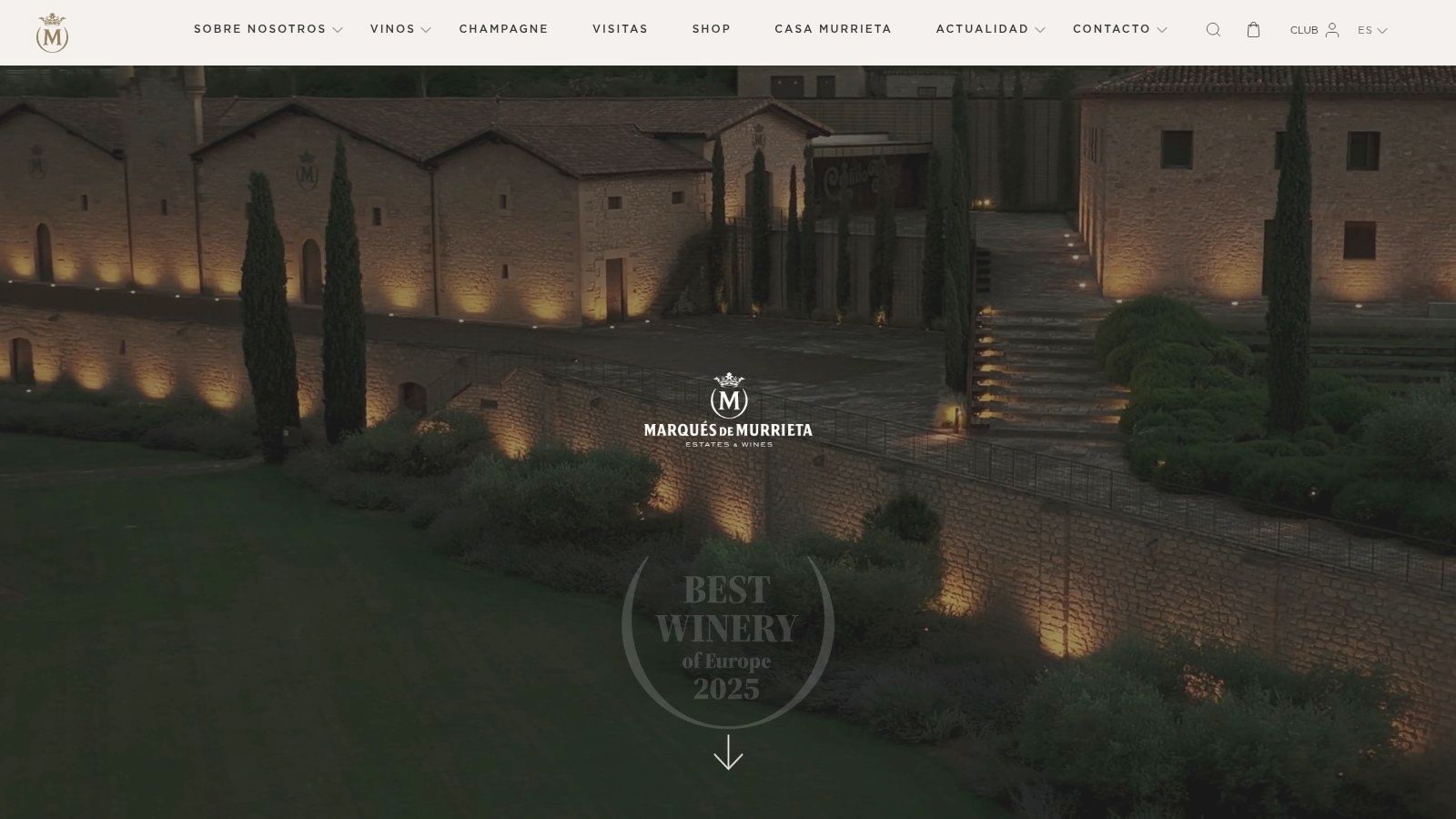
Castillo Ygay is the clearest choice here for a buyer who wants estate-grown, traditionally minded Rioja with a serious cellar horizon. Produced from Marqués de Murrieta's Ygay estate in Rioja Alta, the wine is associated primarily with the La Plana parcel and combines Tempranillo with Mazuelo. Extended élevage and release after substantial maturation make it less about immediate fruit than about the layered character that develops through time in wood and bottle.
Its flagship status matters. Castillo Ygay offers a single-estate interpretation within a region better known for blending across vineyards and sites, giving collectors a reference point for classic Rioja at its most ambitious. The style is ageworthy, structured, and complex, with the long track record and recognition that can support demand beyond the initial retail purchase. The producer's official Castillo Ygay information is the right place to confirm the current release and estate details.
Buying judgment: Choose Castillo Ygay when maturity, pedigree, and long-term collectibility matter more than easy retail access.
The trade-off is sourcing. Premium positioning has pushed the wine beyond casual everyday buying, while top-vintage allocations can be tight. Library bottles and large formats sometimes appear, but those opportunities require careful inspection of provenance, fill level, storage history, and release status. A Wine Labs Rioja ownership and market briefing can add context when you're evaluating a scarce or expensive listing rather than choosing a dinner bottle.
<a id="2-la-rioja-alta-gran-reserva-904"></a>
2. La Rioja Alta Gran Reserva 904
Gran Reserva 904 is a more practical entry into mature, traditional Rioja than Castillo Ygay. La Rioja Alta's Tempranillo-led blend includes Graciano, and the house follows a long élevage and late-release approach that places bottle development at the centre of the experience. The result is a benchmark for drinkers who want classic Rioja character without making the purchase feel exclusively about rarity.
This wine also benefits from selective release. It appears only in top years, which makes the vintage an essential part of the buying decision. A younger available bottle may offer structure and future potential, while an older release can provide more immediate tertiary complexity. Check the producer's Gran Reserva 904 page before buying to confirm the wine's identity and release information.
<a id="the-value-comparison"></a>
The value comparison
Among prestigious traditional Riojas, 904's advantage is its balance between reputation, availability, and complexity. It's widely encountered in the United States, and that broader distribution can make it easier to compare offers rather than accept the first listing. Traditional oak signatures remain part of its identity, so buyers who prefer visibly fruit-forward, modern wines may find the style less direct.
The better question isn't whether 904 is universally superior. It's whether you want a recognisable classic with mature-drinking potential and relatively manageable sourcing. Use Wine Labs fine-wine market data to compare the exact vintage across channels, especially when regional retail differences make a supposedly attractive listing less compelling.
Practical rule: Compare like-for-like vintage and format before judging whether 904 represents good value.
<a id="3-r-lopez-de-heredia-vina-tondonia-reserva"></a>
3. R. López de Heredia Viña Tondonia Reserva
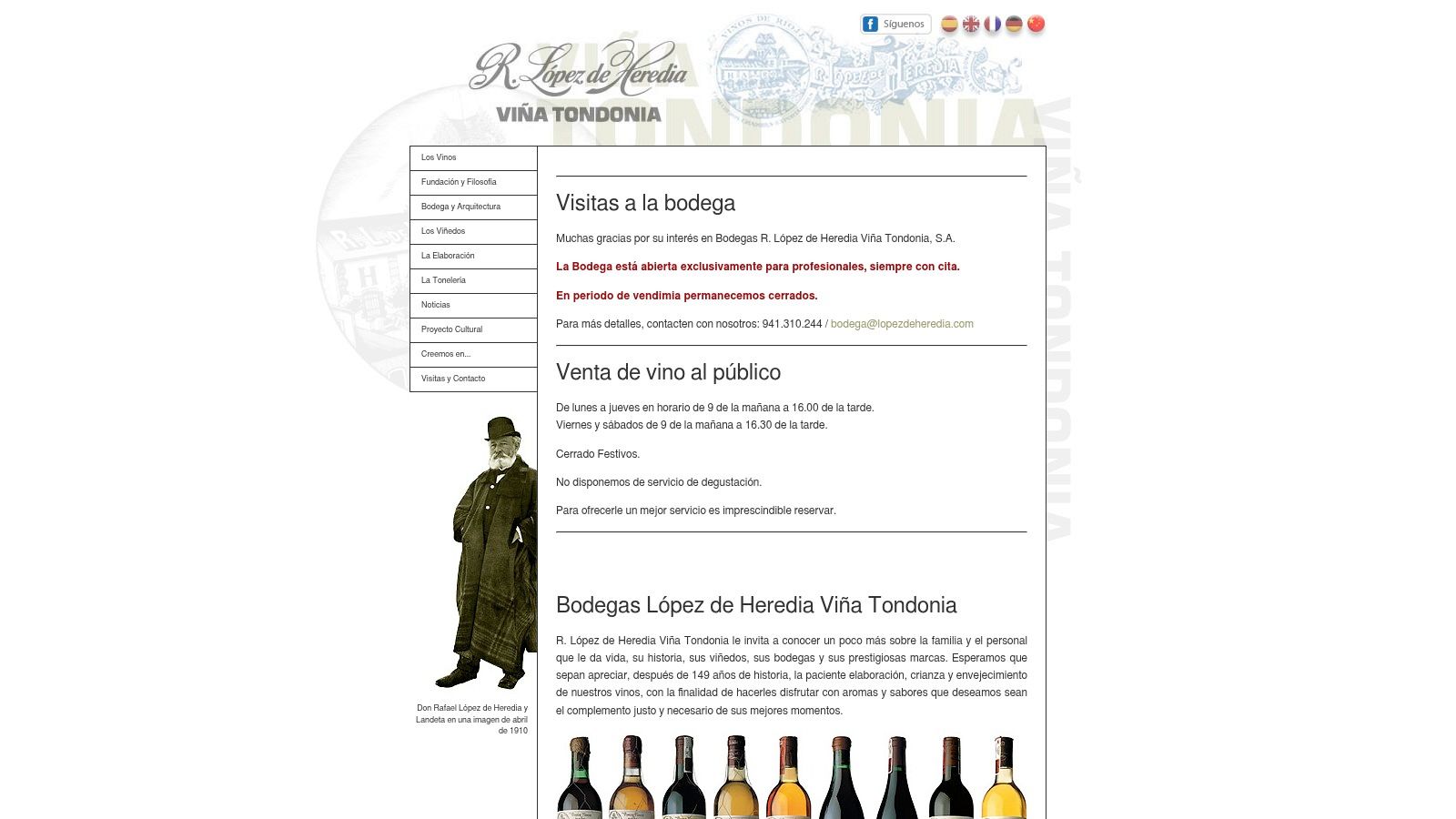
Viña Tondonia Reserva is the most stylistically distinctive traditional wine in this group. From the celebrated Tondonia vineyard on the Ebro bend in Haro, Rioja Alta, it follows extended cask ageing and late release practices that produce a profile far removed from polished, fruit-first modern Rioja. The wine's oxidative-leaning character, savoury development, and traditional cellar identity are precisely why it has such a committed following.
That distinction creates both its appeal and its limitation. A drinker looking for freshness framed by old-school oak, bottle evolution, and complex mature notes may find Tondonia more revealing than a conventionally plush Gran Reserva. Someone who wants ripe fruit, new oak, and concentration should look elsewhere. The producer's official López de Heredia website is the appropriate reference for the estate and its wines.
Viña Tondonia also occupies an unusual position in the market. It has strong restaurant-list presence and a reputation among sommeliers and collectors, yet it can sometimes deliver benchmark traditional complexity without the highest Gran Reserva pricing. That doesn't make every bottle a bargain. Scarcity and allocation-driven distribution can create large differences between markets, and provenance becomes especially important when a bottle has spent many years moving through the supply chain.
Tondonia is the choice for the drinker who wants Rioja's traditional identity to remain unmistakable, not softened into a generic luxury-red style.
<a id="4-cvne-imperial-gran-reserva"></a>
4. CVNE Imperial Gran Reserva
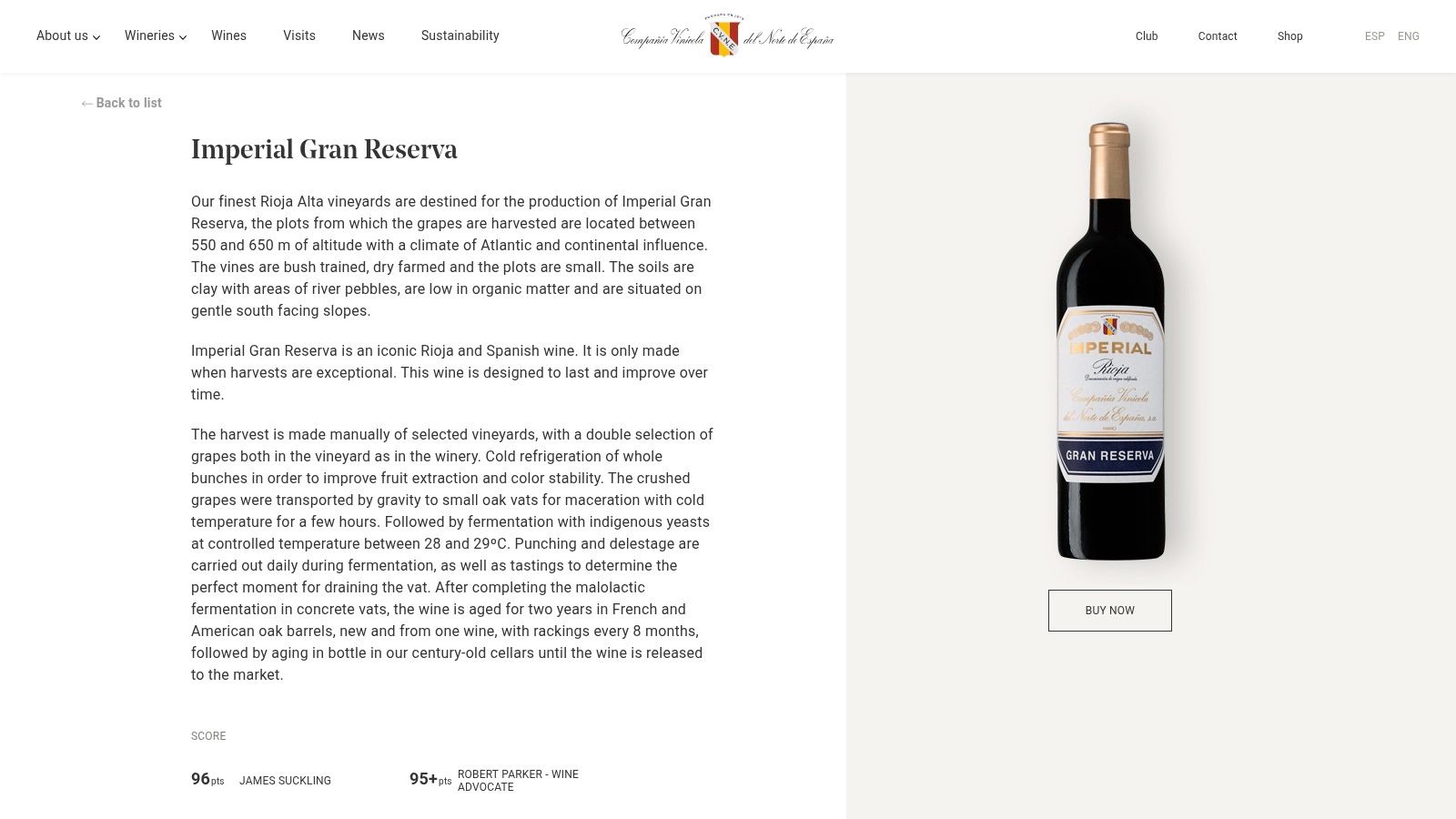
CVNE Imperial Gran Reserva is a strong middle ground between historic prestige and practical sourcing. Produced and aged at a dedicated Imperial winery within CVNE, it draws on select plots around Villalba and Haro and uses traditional vinification with time in both French and American oak. The style aims for structure and finesse rather than maximal extraction, making it a useful benchmark for buyers who want a serious cellar wine that remains recognisably Rioja.
Its reliability is the main buying advantage. Imperial has a long critical track record and is commonly encountered across United States retailers, which gives shoppers more opportunity to compare vintage, bottle format, and storage conditions. That availability doesn't remove the need for scrutiny. CVNE's range includes both Reserva and Gran Reserva versions, and buyers can confuse the two if they focus only on the Imperial name.
<a id="read-the-label-before-the-reputation"></a>
Read the label before the reputation
Vintage proliferation can also complicate comparisons. Oak expression may vary by vintage, so the same label doesn't guarantee an identical drinking experience from one release to another. The producer's Imperial Gran Reserva page should be your first stop for product identification, but it won't replace checking the actual bottle offered by a retailer or auction house.
Imperial suits a buyer who values classic balance, recognised pedigree, and a realistic chance of finding multiple strong vintages. It's less suitable for someone seeking the deliberately oxidative personality of Viña Tondonia or the concentrated modern force of Contador. For a traditional Rioja cellar, however, it provides a dependable reference point between more allocation-sensitive bottles and more widely distributed labels.
<a id="5-bodegas-muga-prado-enea-gran-reserva"></a>
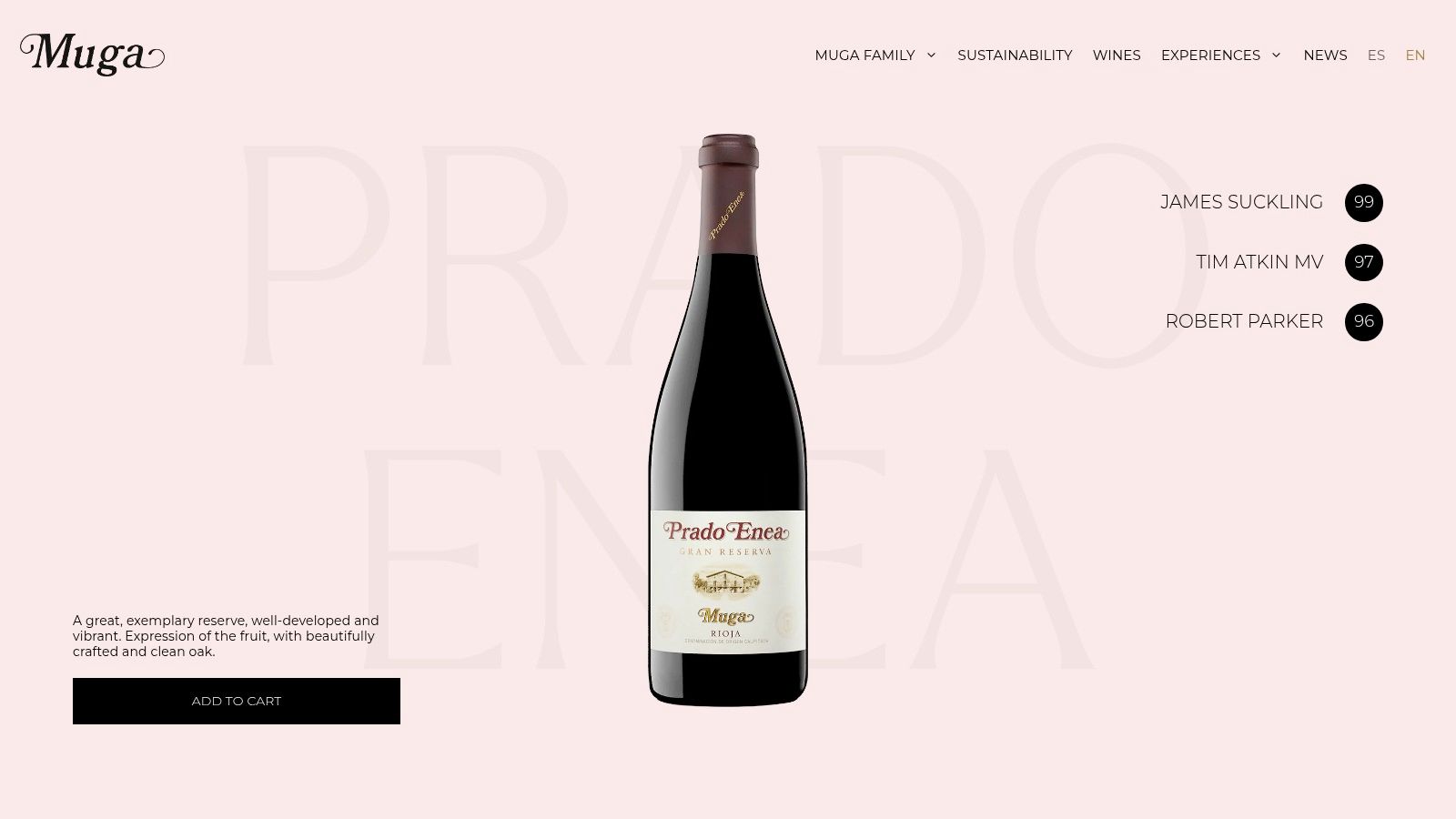
5. Bodegas Muga Prado Enea Gran Reserva
Prado Enea is Muga's flagship Gran Reserva and a natural choice for drinkers who want traditional Rioja with more scale and depth. The blend combines Tempranillo with Garnacha, Mazuelo, and Graciano from cooler, higher sites, while long ageing gives the wine a polished, developed shape. Muga produces it selectively in top years, so the release decision and exact vintage deserve more attention than the label alone might suggest.
The wine's structure makes it a different proposition from Viña Tondonia. Prado Enea is still traditional, but its appeal rests on consistency, depth, and the capacity to improve with further cellaring. It can show well for a patient buyer who decants a younger bottle, although a mature release may be more immediately rewarding for someone who doesn't want to wait.
<a id="best-for-a-patient-traditionalist"></a>
Best for a patient traditionalist
Muga's official Prado Enea information helps establish the producer's intended style and release identity. In the marketplace, the wine is generally easier to source in the United States than the most tightly allocated bottles on this list, which gives buyers a better chance to reject poor storage or inflated offers. Prices have moved upward, however, so “flagship” should be treated as a market signal, not proof of value.
Cellar fit: Prado Enea works best when you want a classic Gran Reserva with enough authority for long ageing, but you're not specifically chasing cult scarcity.
That makes it particularly useful for a collector building depth rather than owning one trophy bottle. Choose it over Imperial when you want a more ambitious flagship expression, and over Contador when you prefer long traditional élevage to overt new-oak intensity.
<a id="6-bodega-contador-contador"></a>
6. Bodega Contador Contador
Contador changes the comparison. Benjamin Romeo's flagship comes from Rioja Alavesa and represents a modern, concentrated interpretation built around low-yield, old-vine parcels, meticulous farming, and extended ageing in new French oak. It's designed for intensity and collector attention rather than the softer, savoury evolution associated with long-established classic houses.
That makes it a poor choice if your definition of great Rioja depends on American oak, dried herbs, tertiary nuance, and a wine released with substantial maturity. It's a strong choice if you want power, density, and a modern frame that can develop in the cellar. The official Bodega Contador website provides the producer's own reference point for the project and its flagship wine.
Contador's demand also changes how you should buy it. Allocation limits and high prices can make the first available bottle look more attractive than it is, especially when the listing omits storage or provenance details. Strong secondary-market interest may help liquidity, but it doesn't guarantee that every current offer is fairly priced or that every vintage has the same drinking window.
<a id="modern-intensity-requires-a-different-benchmark"></a>
Modern intensity requires a different benchmark
Compare Contador with other modern Rioja rather than asking it to imitate Imperial or 904. The useful question is whether its ripe, oak-forward profile fits your palate and cellar strategy. A Wine Labs market digest covering expensive Spanish wines and market conditions can help frame a premium purchase, provided you still verify the bottle's exact identity and condition.
<a id="7-telmo-rodriguez-las-beatas"></a>
7. Telmo Rodríguez Las Beatas
Las Beatas is the most terroir-driven and scarce wine in the selection. Telmo Rodríguez works with a tiny historic hillside vineyard in Rioja Alavesa, a single site whose field blend and low-production approach make the bottle feel closer to a micro-production collectible than to a conventional Rioja purchase. Minimal-intervention handling and maturation in foudre keep the focus on site character rather than overt new oak.
The distinction matters because scarcity can distort buying decisions. Las Beatas may attract attention precisely because it's difficult to find, but rarity alone doesn't tell you whether a particular bottle is mature, correctly stored, or sensibly priced. Its appeal lies in the combination of single-site identity, limited availability, critical recognition, and a more transparent style than many highly concentrated modern wines.
The producer's Las Beatas page is useful for confirming the wine's identity and estate context. For buyers, sourcing conditions are part of the product. Allocation, vintage, provenance, and release status should be checked before treating an offer as an opportunity.
Collector's distinction: Las Beatas is for someone who wants a singular vineyard expression, not simply the most prestigious name on a Rioja shelf.
It's therefore the least suitable option for casual drinking or broad comparative buying. Choose it when site specificity and collectibility outrank availability, stylistic familiarity, and straightforward replacement. If your preference is mature traditional Rioja, 904, Imperial, Prado Enea, Tondonia, or Castillo Ygay will usually provide a more intelligible path.
<a id="top-7-rioja-wines-comparison"></a>
Top 7 Rioja Wines Comparison
| Wine | Production Complexity 🔄 | Resource Requirements ⚡ | Expected Outcomes ⭐ / 📊 | Ideal Use Cases 💡 | Key Advantages |
|---|---|---|---|---|---|
| Marqués de Murrieta “Castillo Ygay” Gran Reserva Especial | High, extended élevage, single‑vineyard selection | Very high, long cellar time, premium fruit, costly production | ⭐⭐⭐⭐⭐ / 📊 Exceptional ageability; long-term bottle development and market recognition | Cellaring for decades, collector investment, celebratory service | Classic Rioja complexity, strong secondary-market liquidity, flagship prestige |
| La Rioja Alta “Gran Reserva 904” | High, traditional long élevage, selective vintages | Moderate–High, extended ageing but broader production scale | ⭐⭐⭐⭐ / 📊 Tertiary complexity at relatively approachable price; ages gracefully | Regular cellaring, restaurant lists, value-focused collectors | Excellent value-to-complexity, wide U.S. availability, consistent quality |
| R. López de Heredia “Viña Tondonia” Reserva | High, prolonged cask ageing and traditional cellar methods | Moderate, long cask resources; modest production volumes | ⭐⭐⭐⭐ / 📊 Distinct oxidative classic profile; very ageworthy and collectible | Traditionalists, sommeliers' lists, long-term cellars | Unmistakable traditional style, strong reputation on restaurant lists |
| CVNE “Imperial” Gran Reserva | High, traditional vinification with extended oak ageing | Moderate, significant ageing but consistent production | ⭐⭐⭐⭐ / 📊 Benchmark balance of structure and finesse; reliable ageing | Drinkers seeking classic Rioja benchmarks, steady retail sourcing | Consistent critical performance, broad availability |
| Bodegas Muga “Prado Enea” Gran Reserva | High, ~36 months cask then bottle ageing, selective top‑year production | Moderate–High, long cellar time, cooler site fruit, dependable distribution | ⭐⭐⭐⭐ / 📊 Deep, polished development with strong ageing potential | Long-term cellaring, collectors seeking value vs ultra-premium peers | Consistent quality, strong ageability, good U.S. distribution |
| Bodega Contador “Contador” | High, low yields, meticulous old‑vine farming, new French oak | Very high, intensive viticulture, costly oak, allocation-limited | ⭐⭐⭐⭐⭐ / 📊 Highly concentrated modern profile; top critical scores and resale | Collectors, investors, fans of modern/high‑intensity Rioja | Cult prestige, top critical acclaim, strong secondary-market demand |
| Telmo Rodríguez “Las Beatas” | High, single‑site field blend, minimal intervention, foudre ageing | High, micro‑production (~1.9 ha), very limited allocation | ⭐⭐⭐⭐⭐ / 📊 Singular terroir expression; highly collectible and scarce | Terroir-focused tastings, collectors, limited-release purchases | Unique site specificity, high critical consensus, extreme collectibility |
<a id="choose-the-rioja-that-fits-your-cellar"></a>
Choose the Rioja That Fits Your Cellar
The best Rioja wine depends on what you want the bottle to do. Castillo Ygay suits a buyer seeking a storied estate Gran Reserva with maturity, pedigree, and long-term collectibility. Gran Reserva 904 is the practical benchmark for classic, bottle-aged Rioja when availability and complexity need to coexist. Viña Tondonia Reserva is the specialist choice for a distinctive, traditional, oxidative-leaning profile, while Imperial Gran Reserva offers a balanced and recognisable classic style with comparatively dependable retail sourcing.
Prado Enea belongs in the cellar of someone who wants a serious flagship Gran Reserva, long ageing, and a patient drinking plan. It offers a different kind of ambition from the more allocation-sensitive Castillo Ygay. Contador is the modern counterpoint, with concentrated fruit, low-yield old-vine sourcing, and new French oak. Choose it for power and prestige, not as a substitute for old-school Rioja.
Las Beatas is the choice for scarce single-site character. Its appeal is rooted in vineyard identity and limited access, so buyers should treat provenance and allocation status as central parts of the decision rather than administrative details.
Before buying any of the seven, verify the exact vintage, bottle format, provenance, release status, and current price. A wine's reputation can't compensate for poor storage, an unclear chain of ownership, or a comparison against the wrong format. Rioja's official classification uses four still-wine ageing tiers, Crianza, Reserva, Gran Reserva, and a generic non-aged category, and red Crianza requires at least two years of total ageing, including at least one year in 225-litre oak barrels, according to the official Rioja classification. Those categories provide useful context, but they don't replace inspection of the specific bottle.
For premium or collectible Rioja, compare Wine Labs data across retail, auction, exchange, and restaurant channels. You can also build a more informed tasting plan with these wine tasting tips for Northern Spain, then match the bottle to the occasion rather than buying solely on score or scarcity.
Wine Labs brings retail, auction, exchange, and restaurant pricing into a comparable market view, which helps you assess the exact Rioja vintage and format before buying. Visit Wine Labs to compare listings, track market context, and make a more defensible sourcing decision for your cellar.